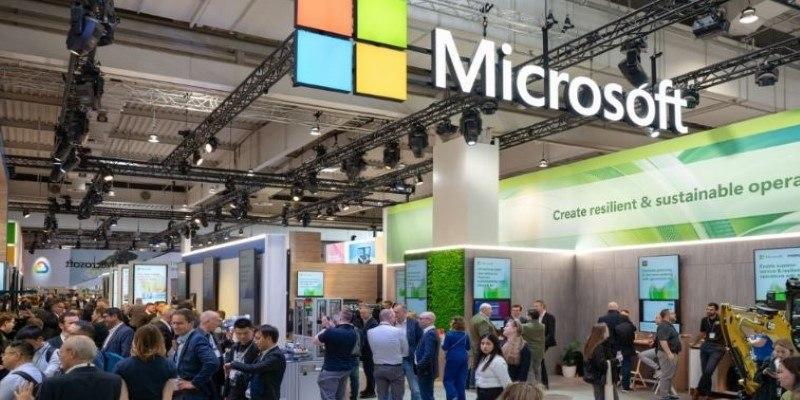
At Hannover Messe 2025, Microsoft introduced a suite of AI agents designed to make factory automation more accessible and effective. Unlike grand visions of fully autonomous factories, these AI agents focus on assisting workers and managers in addressing real-world production issues. They connect to existing machines, analyze live data, and provide actionable suggestions or implement simple adjustments.
The announcement sparked interest because it addresses what many factories actually need today — more efficiency, less downtime, and fewer errors — while maintaining control. Visitors described the launch as timely and practical, fitting current manufacturing priorities.
A Step Toward Smarter Factories
Manufacturing has faced mounting pressure in recent years, with higher costs, persistent supply chain hiccups, and not enough skilled labor. Microsoft’s AI agents for factory automation aim to relieve some of this strain by automating routine monitoring and adjustment tasks that usually take up managers’ time. At Hannover Messe 2025, Microsoft showed that these agents can slot into factories as they are, avoiding disruptive overhauls.
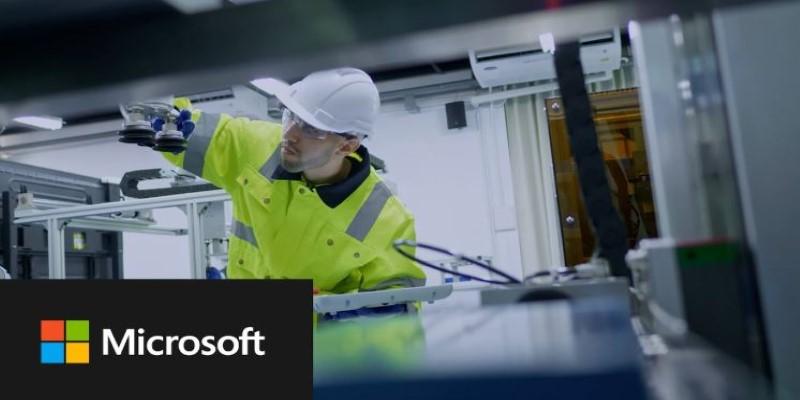
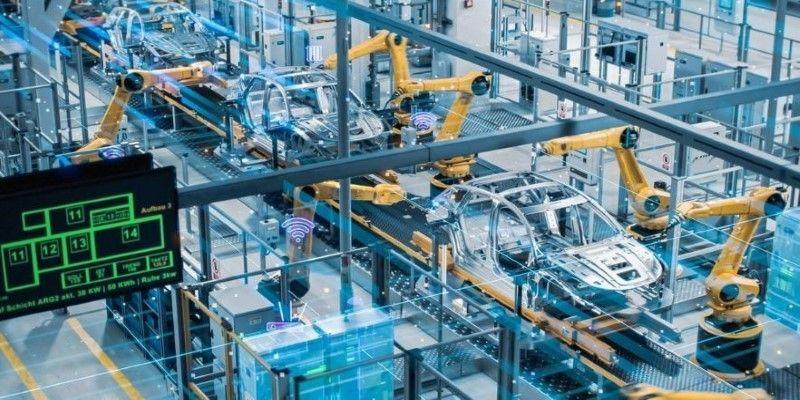
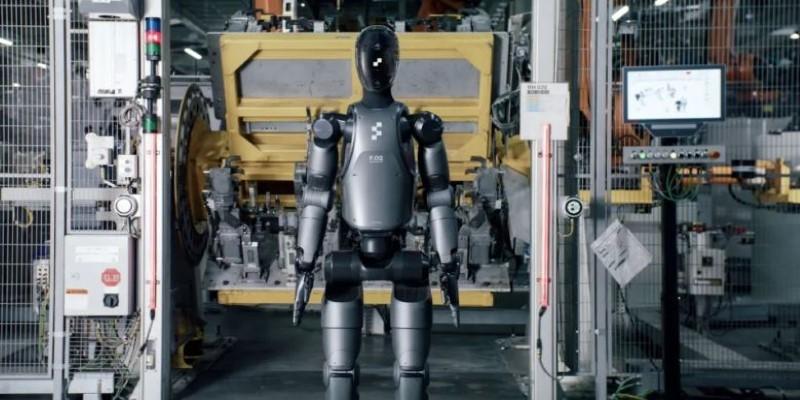
The technology works by connecting to the sensors and machines already in use. Once deployed, the agents continuously monitor performance metrics like machine speed, vibration, temperature, and throughput. Using patterns from historical and real-time data, the agents detect inefficiencies early and either recommend a fix or automatically execute safe adjustments. Demonstrations included an AI agent spotting reduced output on a packaging line and instantly rebalancing nearby machines to maintain output. Another example showed predictive maintenance in action: the AI detected a subtle vibration in a motor, indicating wear, and scheduled a maintenance window before failure occurred.
This incremental approach to smarter factories removes a key barrier: the cost and risk of replacing whole systems. Even small operations can experiment with the agents by starting small and scaling their use as needed. For businesses that have been cautious about automation, this kind of low-barrier technology offers a realistic entry point.
Designed to Work With People, Not Replace Them
Microsoft emphasized at Hannover Messe 2025 that its AI agents are designed to assist, not replace, human workers. Instead of hiding decisions in opaque algorithms, the agents present their findings and reasoning clearly. Operators can ask questions in natural language, such as why a particular line is slowing down, and the AI responds with a clear explanation based on data trends and patterns.
This interaction makes supervisors' jobs easier. Tasks that used to require gathering logs and comparing numbers now take a few moments. In one pilot program, supervisors reduced their daily review time by nearly 50% and spent more time overseeing operations on the ground, rather than crunching numbers in an office. Transparency is another key design choice. When the AI recommends slowing a conveyor or adjusting settings, it displays the data behind the decision, allowing operators to confirm or adjust as needed.
This approach helps build trust between workers and the technology. Automation in manufacturing often raises concerns about job security and the loss of control over processes. Microsoft's design philosophy aims to make the AI feel more like a knowledgeable assistant than a replacement.
Applications Across Industries
At the trade fair, Microsoft demonstrated how its AI agents can adapt to different types of factories beyond the usual electronics or automotive plants. In food production lines, the agents monitored heat and humidity to protect perishable goods while maintaining compliance with safety standards. In heavy equipment manufacturing, they balanced workloads across multiple production lines to avoid bottlenecks and reduce worker fatigue.
A textile factory demonstration showed the agents catching minor quality defects early in the production process. By detecting subtle inconsistencies before they escalated into large-scale waste, the factory reduced scrap while keeping energy consumption in check. This highlighted the agents' flexibility, which could appeal to industries seeking to balance cost control, product quality, and environmental goals simultaneously.
The agents also work well with Microsoft's hybrid infrastructure. Data can be processed locally for fast decisions while still being shared securely to the cloud for long-term analysis. Manufacturers can use this aggregated data to identify broader trends across sites and plan improvements without disrupting live operations. This blend of immediate local action and big-picture insights is likely to appeal to manufacturers of all sizes.
The Future of AI in Manufacturing
Microsoft's launch of AI agents for factory automation appears to reflect what manufacturers currently want — realistic, manageable improvements rather than sweeping, expensive transformations. The reception at Hannover Messe 2025 was largely positive. Factory managers noted that the technology feels approachable, scalable, and easy to trial without committing to major investments upfront. Even small-scale deployments showed measurable benefits such as fewer breakdowns, better schedule predictability, and less waste.
The company also shared its roadmap for future updates, which includes deeper supply chain integration, advanced sustainability monitoring, and more precise maintenance scheduling. In a time when environmental regulations are tightening and competition is high, having AI that helps manage energy use and cut waste while maintaining output can be a competitive advantage.
Manufacturers who spoke with Microsoft representatives at the fair showed interest in testing the agents in controlled environments before rolling them out further. This cautious optimism reflects how the industry often adopts new technologies, step by step, proving their value before fully committing to them.
Conclusion
Microsoft’s unveiling of its AI agents for factory automation at Hannover Messe 2025 underlines a shift toward more sensible, human-centered uses of artificial intelligence in manufacturing. Rather than replace workers, these tools support them by making sense of vast amounts of production data and suggesting timely adjustments. They fit into existing operations with little disruption, showing measurable benefits even in small trials. The emphasis on transparency, adaptability, and usability resonated with attendees who are eager to improve their factories without overhauling them. As manufacturers continue looking for tools that make everyday production more reliable and efficient, these AI agents are likely to gain ground on shop floors in the near future.