CES 2025 brought more than just flashy gadgets — it revealed how technology is quietly reshaping everyday life. This year’s report projects consumer tech sales hitting $537 billion, reflecting steady demand even as the world faces economic challenges. What’s striking is how innovation is becoming less about hype and more about practical, useful improvements.
From smarter AI assistants to homes that communicate effortlessly, the show offered a clear look at where the industry is heading. Instead of chasing trends, companies are focusing on making technology feel natural and helpful, turning big ideas into tools people actually want and need.
AI Takes Center Stage
Artificial intelligence was woven into almost every product and presentation at CES 2025. No longer treated as an add-on, AI has become the central feature of many consumer technologies. The CES 2025 Tech Trends Report highlights AI as the largest contributor to revenue growth this year, accounting for a significant part of the $537 billion total. Voice assistants powered by large language models now handle more nuanced requests, such as composing emails, managing to-do lists, or offering personalized recommendations.
In education, AI-driven tutoring apps demonstrated the ability to adapt to students’ learning styles, helping them master complex subjects at their own pace. Home appliances equipped with predictive learning adjust themselves over time, anticipating user needs without requiring much input. One of the most noticeable changes this year was accessibility — more mid-range and entry-level products now feature AI capabilities.
What was once reserved for flagship devices is reaching a wider audience, with intuitive designs that feel natural rather than technical. This broader adoption reflects growing comfort among consumers, who increasingly value the convenience and efficiency AI offers in everyday life.
Growth of Connected Devices and Smart Homes
Another theme that stood out in the CES 2025 Tech Trends Report was the evolution of connected living. The idea of a smart home has matured, moving beyond scattered devices toward fully integrated ecosystems. This year’s innovations focused heavily on solving a problem that has plagued the market: interoperability. Consumers can now mix and match devices from different brands with less frustration, thanks to improved adherence to universal standards and more open ecosystems.
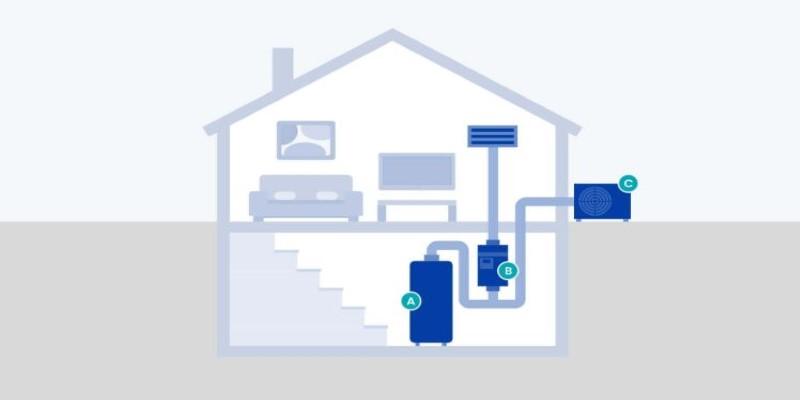
Smart thermostats, lighting, security cameras, and kitchen appliances now operate through one centralized app or hub, making them easier to manage. Sustainability emerged as another important focus. Several new appliances actively monitor energy usage and adjust their settings to conserve power or operate during off-peak hours. Some even suggest habits that help households lower bills and reduce environmental impact.
For example, washing machines can recommend optimal times to run cycles, while HVAC systems adjust automatically based on occupancy patterns. According to the report, smart home technology accounts for nearly a quarter of the projected $537 billion in revenue this year, showing how popular and mainstream these devices have become. The technology feels less like a novelty and more like an expected part of modern living.
Electric and Autonomous Vehicles Gain Ground
Automotive technology continued to command attention at CES 2025, with electric vehicles (EVs) and autonomous driving once again prominent. Automakers showcased EVs that charge faster, travel longer distances on a single charge, and perform better in cold weather. The CES 2025 Tech Trends Report identifies automotive tech as one of the fastest-growing segments, contributing a sizable share to the year’s $537 billion projection. There were also significant advances in driver assistance systems. Many vehicles demonstrated hands-free driving in highway settings, lane-changing on demand, and improved obstacle detection in urban traffic.
These developments are being powered by advancements in AI, edge computing, and sensor technology that process information almost instantly. What stood out at CES this year was the focus on affordability and mass-market readiness. Several manufacturers unveiled models designed for everyday drivers rather than early adopters, a sign that the industry is moving past the experimental phase. The growing confidence in autonomous features and the increasing reliability of EVs reflect a market that's maturing quickly, with strong potential to become a bigger share of consumer spending in the near future.
Consumer Sentiment and Challenges Ahead
The CES 2025 Tech Trends Report is optimistic, but it doesn’t shy away from pointing out hurdles. Supply chain issues, particularly in microchips and batteries, still create uncertainty for manufacturers. Inflation and higher borrowing costs have made some buyers more cautious about expensive purchases, although the desire for innovative technology remains steady. Another topic that sparked conversation at CES was privacy. Many consumers remain uneasy about how much data is collected by AI-driven devices.

To address this, several companies showed off products that process more data locally on the device rather than sending it to remote servers. Clearer privacy controls and transparent policies have become selling points, appealing to consumers who want more say over their personal information. This shift shows that the industry is learning to meet expectations beyond just functionality. As smart devices become more personal and integrated into daily life, trust is becoming just as important as performance. CES exhibitors seemed aware of this, positioning privacy and transparency not as afterthoughts but as core features of their designs.
Conclusion
CES 2025 made it clear that technology is becoming more integrated into everyday life in ways that feel useful and approachable. The CES 2025 Tech Trends Report's $537 billion forecast reflects how consumers continue to embrace innovation when it solves real problems. AI-connected devices and automotive advancements all point toward a market shifting from novelty to necessity. Companies also recognize the value of privacy, transparency, and sustainability as part of their designs. This year's trends suggest a more thoughtful approach to progress, showing that technology can adapt to people rather than the other way around. The months ahead will show how these trends resonate beyond the showroom.