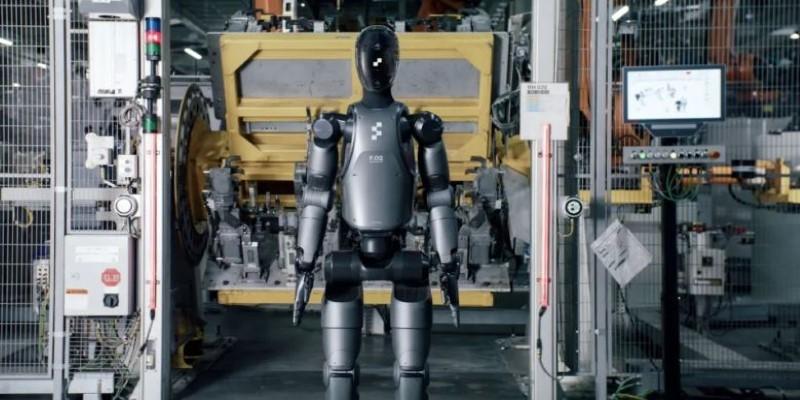
Las Vegas is preparing to showcase a hotel experience unlike anything the city has seen before. Slated to open in time for CES 2025, the AI-powered hotel promises to reimagine hospitality through automation and personalization. Guests can expect seamless service, from check-in to check-out, handled by artificial intelligence instead of traditional staff.
Designed to appeal to tech-savvy travelers and business visitors alike, the project demonstrates how technology can improve convenience without losing sight of comfort. As the world gathers in Las Vegas for CES, this hotel aims to be more than lodging — it will be part of the attraction itself.
A Fully Automated Experience
The AI hotel is designed to take the hassle out of every stage of your stay, replacing long-standing routines with smooth, responsive technology. Booking happens entirely online, with guests able to choose their room type and even customize certain features before arriving. When you get there, there’s no line at the front desk. Facial recognition or a digital key on your phone gets you straight to your room, so you can settle in without waiting around.

Once inside, the room adjusts itself to your liking. Lighting, temperature, and entertainment are all easy to control with voice commands or through an app. Over time, the system even learns what you like, remembering how you prefer your room set up or which shows you tend to watch. A virtual assistant is always on hand for small requests, like more towels, wake-up calls, or directions to nearby spots worth visiting.
Housekeeping, too, works differently here. Rather than following a rigid schedule, cleaning staff are dispatched only when you’ve stepped out, so you’re never disturbed unnecessarily. If you need something delivered, robotic carts quietly roll up to your door with your order.
Behind it all, intelligent software keeps everything humming, spotting maintenance needs early and managing energy use more efficiently. The goal is simple: to make your stay feel effortless, so you can focus fully on your trip instead of the logistics.
Why Las Vegas and Why Now?
Las Vegas is a natural choice for a concept like this. Known for its innovative entertainment and hospitality, the city attracts millions of visitors every year who are open to trying something new. With one of the highest hotel room counts in the world, competition in Las Vegas has always driven hotels to adopt creative features to stand out. An AI-powered hotel fits right into this culture of reinvention.
CES, the annual Consumer Electronics Show, is also the perfect stage for its debut. The event draws technology enthusiasts, business leaders, and media from across the globe, all eager to see the next big thing in tech. Launching the AI hotel during CES means it won’t just serve as accommodation for visitors but will double as a live demonstration of applied artificial intelligence.
The timing reflects growing comfort with AI in everyday life. Travelers already use smart home devices, chatbots for customer service, and mobile apps to book flights and rides. This hotel takes those familiar concepts and scales them into a complete hospitality experience. By opening during CES 2025, the developers aim to tap into the global conversation about where AI is headed next and show how it can enhance real-world experiences without being intrusive.
Balancing Efficiency with the Human Touch
One concern with automation in hospitality is that it risks making the experience cold or impersonal. The team behind the AI hotel has considered this carefully. While the goal is to let technology handle routine and predictable tasks, human staff will still be present to provide support when needed. For guests who prefer interacting with people, reception staff and concierge services will be available on request.
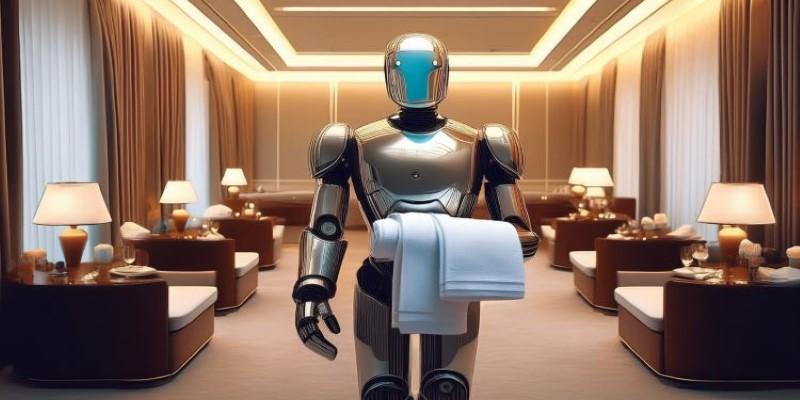
This hybrid model is designed to accommodate different preferences. Some guests may prefer a fast, fully automated experience, enjoying the freedom of not having to wait in line or explain their needs. Others may feel more comfortable speaking to someone face-to-face. Staff will also handle any unexpected issues that AI can’t solve, ensuring that guests always have someone to turn to when situations require a personal touch.
This balance between automation and human presence reflects a thoughtful approach to innovation. Rather than forcing guests into one mode of interaction, the hotel gives them control over how they engage with the services offered. It also shows that AI and human service don’t have to be at odds — they can complement each other to create a more satisfying stay.
What It Means for the Future of Travel?
The AI hotel planned for Las Vegas signals a broader shift in how the hospitality industry is expected to evolve in the coming years. Automation and personalization are becoming priorities, not just in hotels but across the travel experience. Airports, airlines, and even tourist attractions are adopting technology to streamline service and reduce friction for visitors.
For hotels, this shift could mean reduced operating costs and improved efficiency, which may allow more competitive pricing or better amenities. For guests, it can mean a more relaxed and convenient experience, with fewer delays and more control over their stay.
Las Vegas, with its tradition of staying ahead of trends, is an ideal place to pilot such a concept. If the AI hotel succeeds, it's likely that similar models will appear in other cities. For business travelers, families, and international tourists, it could redefine expectations of what a hotel stay should feel like.
By opening its doors during CES, the hotel positions itself as more than a place to sleep. It becomes part of the event — a living example of how artificial intelligence can integrate seamlessly into daily life, even in a setting as dynamic as Las Vegas.
Conclusion
The AI hotel planned for Las Vegas during CES 2025 highlights how artificial intelligence is reshaping daily experiences. Combining personalization, convenience, and flexibility, it redefines hospitality while respecting guest preferences. With efficient automation alongside human support, it appeals to diverse travelers. In a city known for innovation and bold concepts, the AI hotel marks a natural step forward, showing Las Vegas remains ahead by adopting fresh ways to welcome its visitors.