Cloud computing has changed how businesses store and work with data. Among the many platforms available, Snowflake stands out for its simplicity and efficiency. It’s designed to remove common roadblocks, helping teams access and analyze their data without unnecessary steps. Unlike older systems, Snowflake doesn’t require heavy hardware setups or constant upkeep.
Its cloud-native approach and practical features make it easier for organizations to handle large and varied data sets while keeping costs under control. This article explains why so many companies are choosing Snowflake to manage their modern data needs more effectively.
Advantages of Using Snowflake Cloud Data Platform for Modern Businesses
Simplicity in Setup and Use
Snowflake is easy to set up and use. Traditional databases often need complicated configurations, hardware, and long deployment times. Snowflake avoids all of that by running fully in the cloud. There’s no need to manage servers or storage equipment, and no waiting weeks to get started. Users can load data and start querying within hours. Its interface is straightforward, making it accessible to analysts and engineers alike. This ease of use removes barriers and saves time, allowing teams to focus more on analysis rather than maintenance and technical overhead.
Separation of Storage and Compute
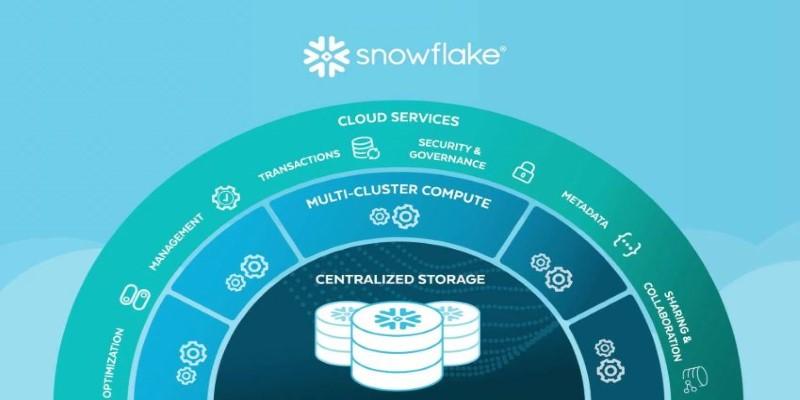
Snowflake is built on an architecture that keeps storage and compute separate, which sets it apart from older systems where the two are locked together. In traditional setups, boosting compute often meant paying for extra storage you didn’t need. With Snowflake, you can scale each one on its own. If a heavy job comes up, simply increase the compute while the storage stays the same. This kind of flexibility is cost-effective and makes it easier to handle unpredictable workloads, like seasonal traffic or sudden spikes, without overcommitting to infrastructure you rarely use.
Pay Only for What You Use
Snowflake is cost-efficient because you only pay for what you actually use. Many legacy databases lock businesses into fixed, expensive setups regardless of usage. Snowflake, by contrast, charges for compute only while queries are running, and storage is billed by actual usage. This approach makes it easier to predict costs and avoid overpaying. It’s particularly helpful for organizations with uneven workloads, letting them scale up temporarily when needed and scale back down when activity slows without penalty.
Handling Large and Diverse Data Sets
Today’s data comes in many formats, from structured tables to semi-structured files like JSON or Parquet. Snowflake can handle this variety seamlessly. You can load these different types directly and run queries on them using standard SQL. Teams don’t need to learn new tools or convert files to a specific format before analysis. This makes it easier to work with data from many sources—such as transactions, logs, or sensors—all within the same platform, streamlining workflows and making better use of available information.
Performance at Scale
Snowflake performs well even as data and user demands grow. Its multi-cluster design lets it automatically add resources when more users or larger jobs require it. For example, if many people run queries at once, Snowflake can start more compute clusters to keep response times steady. When demand drops, those clusters shut down, saving costs. This ability to scale up and down without manual intervention ensures users get consistent performance, even during peak periods or while processing very large data sets.
Data Sharing Without Friction
Snowflake makes data sharing simple and fast. In traditional setups, sharing usually involves making copies, exporting files, and sending them through other systems, which can introduce delays and errors. Snowflake allows secure sharing directly within the platform. You can grant access to specific data sets without creating duplicates or moving files. This supports better collaboration between departments or with external partners, while keeping data consistent and avoiding version mismatches.
Built-In Security and Compliance

Snowflake includes strong security features out of the box. Data is encrypted both when stored and when being transferred. You can control who has access to what and use built-in auditing to monitor how data is used. Snowflake also meets common regulatory and industry standards, which helps organizations stay compliant without extra tools or complicated settings. These built-in safeguards reduce risk while keeping security management simple and reliable.
Supporting Modern Data Practices
Snowflake supports newer data practices like machine learning and advanced analytics. Since it handles semi-structured data alongside traditional formats and can scale compute power on demand, it works well as a base for these tasks. Data scientists can access and prepare data directly in the platform without needing separate systems. This reduces delays in getting data ready and lets teams move more quickly from exploration to actionable results.
Compatibility With Popular Tools
Snowflake integrates with many widely used analytics and business intelligence tools such as Tableau, Looker, and Power BI. Teams can keep using the tools they already know while benefiting from Snowflake’s speed and scalability. This makes it easier to fit into existing workflows and avoids disrupting established processes. Teams can continue building dashboards, running reports, and analyzing trends without needing to completely rebuild their setup.
Future-Proofing Data Infrastructure
Choosing Snowflake helps organizations prepare for future growth. Since it’s cloud-based, there’s no hardware to replace as technology changes. Its flexible pricing and ability to scale up or down mean it can grow with your business without requiring big overhauls. As data volumes increase and teams expand, Snowflake can accommodate those changes with minimal effort, making it a reliable long-term choice.
Conclusion
Snowflake offers a clear and practical solution for managing modern data. Its ease of setup, flexible scaling, and cost-conscious design make it approachable for businesses looking to make better use of their information. By simplifying collaboration, supporting multiple data formats, and ensuring reliable performance even at scale, Snowflake removes many of the headaches of traditional data platforms. For organizations that want a dependable and adaptable way to store, process, and analyze their data,