The 2025 edition of Hannover Messe welcomed thousands of visitors keen to see what the next phase of industrial innovation looks like. AI-powered manufacturing tools took center stage, demonstrating just how far automation and intelligent systems have advanced in a few short years. What stood out most was how these technologies, once thought to be experimental, are now being applied to solve real-world production challenges. The tools on display blended practical efficiency with smart automation in a way that felt grounded and ready for real-world use. This year's exhibits gave the strongest signal yet that AI is becoming standard on the factory floor.
How AI Tools Are Shaping Factory Workflows?
Halls across the fair buzzed with demonstrations of AI-driven tools designed to make production lines more efficient, precise, and adaptive. Many visitors paused to watch predictive maintenance systems in action, which monitor machinery to spot early signs of wear. These tools analyze vibration, temperature, and sound to detect patterns that indicate potential failures well in advance of their occurrence. Repairs can then be scheduled with minimal disruption, thereby avoiding costly breakdowns and maintaining steady operations.
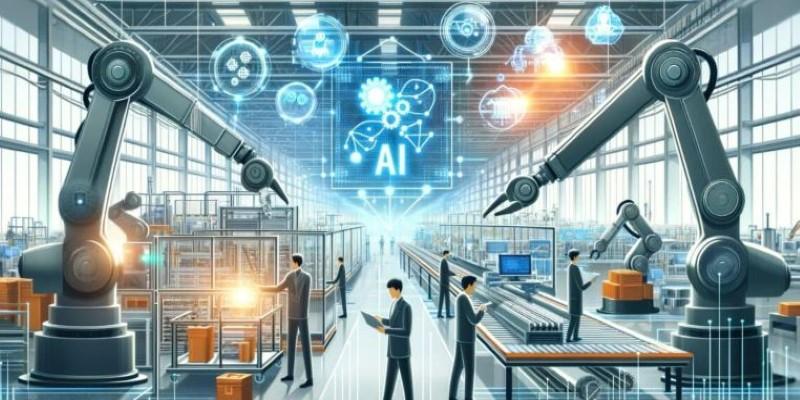
Quality control also saw major advances. Exhibitors showcased cameras and sensors paired with machine learning algorithms that inspected products for tiny defects invisible to human inspectors. Unlike static systems, these AI-powered manufacturing tools continuously adjust to changes in lighting, speed, or materials. This flexibility reduced waste and improved consistency across varied production runs.
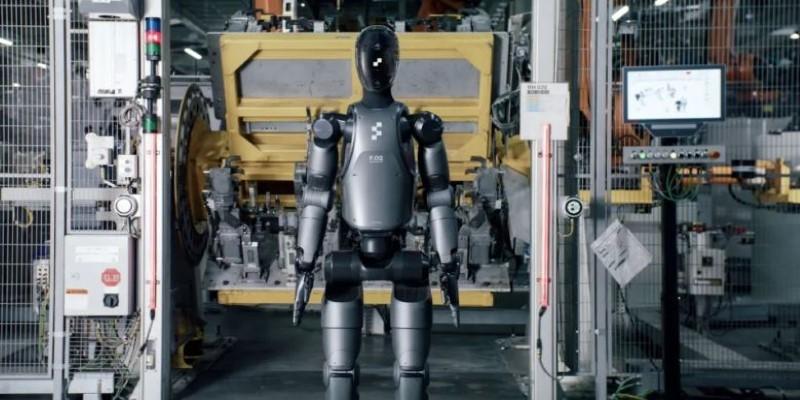
AI-guided robotic arms also drew plenty of attention. Unlike traditional robots, which are locked into rigid movements, these models adjust in real-time to unplanned changes, whether a part is misaligned or a person enters the work zone. This adaptability made automation feel safer and more practical, especially for smaller, more customized production batches rather than just high-volume manufacturing.
Making Smart Decisions on the Shop Floor
Another theme that resonated with visitors was how AI enables faster, more accurate decisions directly at the point of action. Many systems now embed AI at the machine level, where split-second decisions can keep production running smoothly. Data collected by local sensors feeds into algorithms that fine-tune settings, such as feed rate, temperature, or pressure, instantly, reducing scrap and maximizing output.
For managers, these smarter tools simplify oversight. Instead of digging through lengthy reports, they can view concise dashboards that show where attention is needed. One company showed how their software prioritized alerts by potential impact, helping supervisors react only to what truly mattered. This level of clarity enabled managers to plan shifts, allocate resources, and adjust schedules more effectively, resulting in more predictable operations.
Exhibitors emphasized that these tools work alongside humans, rather than replacing them. One vendor demonstrated an AI assistant that guided workers step-by-step through assembly tasks, catching errors as they happened and offering corrective suggestions. Another displayed a system that learned from experienced workers, creating a digital model of their skills to train newcomers. Both examples highlighted how AI supports workers, enabling them to maintain high standards and alleviate the stress associated with complex tasks.
Data and Energy: The Backbone of AI in Industry
Running intelligent systems requires clean, organized streams of data and efficient use of power. Many exhibits at Hannover Messe addressed how these needs are being met. Sensors and software designed to collect, clean, and structure data are making it easier for factories to adopt AI tools without costly redesigns. Even older machinery can now be retrofitted to feed useful information into AI systems, extending their working life while improving performance.

Energy optimization featured heavily as well. Several companies presented AI tools that analyze energy usage across production to identify inefficiencies. These systems suggested changes such as shifting energy-heavy tasks to off-peak hours, balancing loads, or pinpointing where power was being wasted. With rising energy costs and growing focus on sustainability, many visitors appreciated this practical way to lower consumption without sacrificing output.
Cloud-based systems added another layer of value. Data collected on the shop floor could be sent to cloud servers, where larger, more complex models would process it and send updates back to local machines. This mix of local responsiveness and broader cloud learning made these AI-powered manufacturing tools flexible enough to fit many types of operations while keeping them quick and reliable.
Looking Ahead: The Human Factor in AI-Powered Manufacturing
One of the most notable trends this year was the increased attention paid to the human side of AI-powered manufacturing. Rather than framing AI as a threat to jobs, exhibitors showed how it can ease strain, catch mistakes, and let skilled workers focus on more rewarding tasks. This more collaborative vision of automation struck a chord with visitors, many of whom were already dealing with staff shortages and high-pressure production demands.
Speakers on several panels highlighted the need for proper training so workers feel comfortable using these tools. Some exhibitors even offered hands-on demonstrations of virtual training platforms, where operators practiced with AI-driven machines in simulated environments. Many who tried these platforms commented on how natural they felt, suggesting that adoption will not be as difficult as some fear.
By helping workers build confidence and giving them tools that support rather than replace their skills, AI in manufacturing seems set to strengthen—not weaken—the human role in production. This emphasis on teamwork between people and intelligent machines reflected a more balanced view of what the future factory could look like.
Conclusion
Hannover Messe 2025 made it clear that AI-powered manufacturing tools are no longer experimental but ready for everyday production. These tools enhance efficiency, minimize waste, and enable factories to adapt quickly, all while keeping workers at the center of the process. Challenges such as data quality, integration, and training still exist; yet, exhibitors showed that they're being addressed with care. Visitors left with confidence that AI is now a practical partner in manufacturing rather than a distant idea. The focus has shifted toward using it effectively, blending intelligent automation with human expertise to build a more efficient, adaptable, and people-focused future for industry.