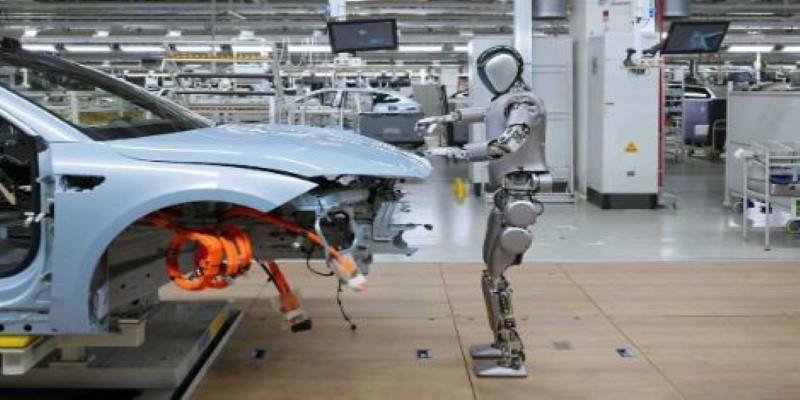
The sight of humanoid robots working alongside humans has moved from science fiction into real life. A Chinese automaker is now in the spotlight for deploying a humanoid robot in its vehicle assembly line, showing how automation and human ingenuity can work together. The robot has been designed to handle repetitive and highly precise tasks, allowing human workers to focus on inspections, decision-making, and creativity. This step reflects a shift in how factories can evolve by combining mechanical efficiency with human oversight, offering a glimpse into what the future of car manufacturing might look like.
How the Humanoid Robot Fits Into Car Manufacturing?
The Chinese automaker has stepped away from the usual rows of robotic arms by bringing in a humanoid robot designed to move and work much like a person. With two legs and two hands, it easily shares the same spaces as human workers, walking between stations and adjusting to the flow of the assembly line without being locked into one spot. This freedom to move gives it a clear edge over traditional machines that are bolted down and limited to a single task or position.
On the factory floor, the humanoid robot handles some of the most repetitive and draining jobs — tightening bolts, routing wires, and piecing together small components. These tasks demand accuracy over long hours, which can wear down even the most experienced workers. By taking on this type of work, the robot frees up people to focus on more demanding areas, like quality checks and solving unexpected problems. And when production needs shift to a new model or process, the robot can be quickly reassigned, unlike fixed machinery that often needs time-consuming adjustments.
Supervisors have already noticed big changes. Production lines move faster, errors are dropping, and employees say they feel less strain. Rather than replacing humans, the humanoid robot fills in where machines excel, leaving skilled workers to handle what requires thought and flexibility.
Technology Behind the Humanoid Robot
The humanoid robot in use by the Chinese automaker is an advanced blend of sensors, motors, and intelligent software. Cameras and depth sensors enable it to identify parts, recognize positions, and avoid collisions with workers and equipment. Its hands can manipulate tools and parts with surprising dexterity, thanks to mechanical fingers and wrists designed to imitate human motion.

One standout feature is its ability to learn and adapt. Through machine learning, the robot improves over time, analyzing its performance and making adjustments. If a new model comes down the line with slightly different dimensions or fastener locations, the robot can adjust its programming automatically, saving hours or even days of downtime.
Efficiency has been carefully built into the design. It runs on an energy-saving motor system that allows it to operate throughout a shift on a single charge, using significantly less electricity than older robotic setups. The robot is also compact, taking up minimal floor space compared to larger, fixed-arm machines that require dedicated zones.
Its human-like form allows it to access areas of a car body that traditional robots might not reach without extensive retooling. For example, it can crouch to work inside the cabin or stretch to reach overhead components. These small touches make it much more versatile than the standard equipment still common in most factories.
Impact on the Workforce and Industry
The introduction of a humanoid robot has raised questions about its effect on employment. The Chinese automaker has made clear that the robot is not here to replace the workforce but to support it. Workers are still essential for oversight, maintenance, and tasks that require judgment or creative solutions.
For the workforce, the robot’s arrival has brought noticeable changes. Physically demanding tasks, such as repetitive fastening or heavy lifting, are now handled by the machine, reducing injuries and fatigue. Many employees have been retrained to oversee the robot, manage its maintenance, and troubleshoot when it encounters unfamiliar conditions. This has opened new skill development opportunities and has helped many workers shift into more technical or supervisory roles.
In the broader automotive industry, this experiment is being watched closely. Manufacturers in other countries are studying how effective humanoid robots are at scale and whether they are cost-effective compared to conventional automation. There is growing interest in robots that can adapt quickly to changing models and production requirements without extensive downtime or reconfiguration.
This move signals the beginning of a more balanced kind of automation, where machines handle repetitive, precision work while humans focus on creativity, strategy, and quality control. The outcome at this plant may well influence the direction other automakers take in their factories.
Future of Humanoid Robots in Manufacturing
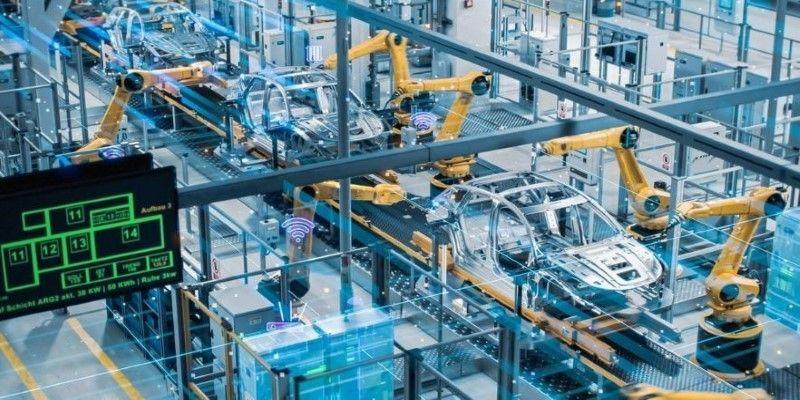
The introduction of a humanoid robot into a car plant is just the beginning of what could become a wider shift in how factories operate. As the technology improves, these robots could take on more complex assembly tasks, work alongside more human workers, and even communicate directly with other machines to coordinate production.
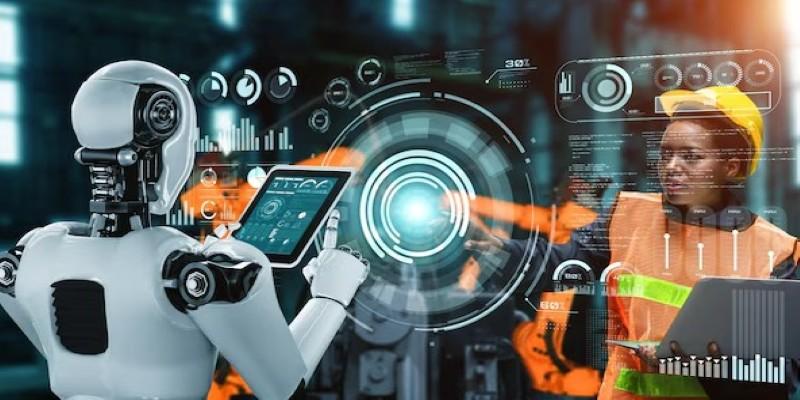
Engineers are already working on improving their balance, speed, and strength, which would allow them to handle larger components and move faster along the line. More advanced AI could enable them to spot defects or adjust processes on the fly without requiring human intervention. Over time, this could make production even more efficient and less prone to mistakes.
The cost of building and maintaining humanoid robots remains high compared to traditional machines, but experts predict that prices will drop as the technology becomes more common. This could also make it more accessible to smaller manufacturers, not just large automakers.
What remains clear is that humanoid robots are showing real promise in bridging the gap between human flexibility and machine reliability. Their role is likely to grow, changing not only how factories work but how workers and machines share space and responsibility.
Conclusion
The Chinese automaker’s humanoid robot signals a smarter approach to automation, working alongside humans to handle repetitive and strenuous tasks while leaving complex decisions to people. Its learning and adaptability make it ideal for human-focused workplaces, blending efficiency with flexibility. As technology improves and costs drop, humanoid robots could become standard in factories worldwide, benefiting both companies and workers while promoting a more balanced and collaborative manufacturing environment.