Nissan is moving forward with a fresh approach to self-driving technology, partnering with a British startup to develop smarter autonomous cars. This partnership marks a shift for the Japanese manufacturer, which has long worked on automation but is now turning to a more innovative and adaptable team for help.
The goal is to make self-driving cars that are safer, more aware, and better suited to real-world conditions. For Nissan, it's about staying competitive and making a meaningful step toward vehicles that handle themselves without constant driver input while still keeping passengers secure and confident on the road.
Why Nissan Chose a British Startup?
Nissan's decision to team up with a British startup shows its willingness to break away from the usual playbook of big-name partnerships. While many automakers stick with huge tech companies or rely entirely on their engineers, Nissan chose a lean, inventive company with a sharper focus on artificial intelligence for autonomous driving. The startup has already earned attention for its ability to solve tricky real-world driving challenges using intelligent, adaptable systems that feel far less rigid than traditional software.
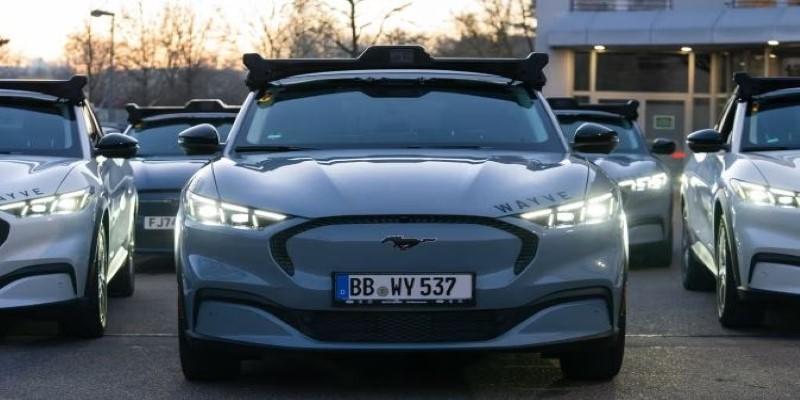
What makes this team stand out is its approach — their algorithms don’t just follow preset rules but actually learn and evolve with every mile. The software picks up on patterns, adjusts decisions, and grows smarter over time, which matches perfectly with Nissan’s goal of building cars that can think for themselves. Being smaller also gives the startup an edge, moving quickly and testing ideas without endless layers of approvals. For Nissan, it’s a chance to tap into fresh ideas and bring them to life faster.
How the AI Technology Works?
At the core of this partnership is an advanced artificial intelligence system designed to give vehicles a sharper sense of their surroundings. Unlike older setups that rely heavily on mapped data and pre-coded scenarios, this AI uses a more flexible approach, combining machine learning with live sensor input. Cameras, radar, and lidar provide constant streams of data, which the AI analyzes in real time to determine what’s happening on the road.
One of the technology’s strengths lies in its predictive ability. It doesn’t just see obstacles but anticipates what other drivers, cyclists, and pedestrians are likely to do next. This makes for smoother and safer driving, especially in dense city areas where split-second decisions are crucial. The AI is also designed to keep learning after deployment. Every trip adds to its knowledge base, helping it perform better in future scenarios. The system prioritizes human safety, ensuring that decisions made in tricky situations always favor the well-being of passengers and others around the vehicle. This focus on ethical choices sets it apart from many standard driver-assist systems, which can be rigid and less intuitive.
What This Means for Drivers and the Industry?
For drivers, this new technology promises a much more natural and stress-free experience behind the wheel. Rather than removing the driver entirely, at least in the near term, the system acts as a capable assistant, stepping in where it can be most helpful, such as during heavy traffic, long highway trips, or precision maneuvers like parking. Commuters, in particular, are likely to benefit from cars that handle repetitive or frustrating parts of the journey autonomously.
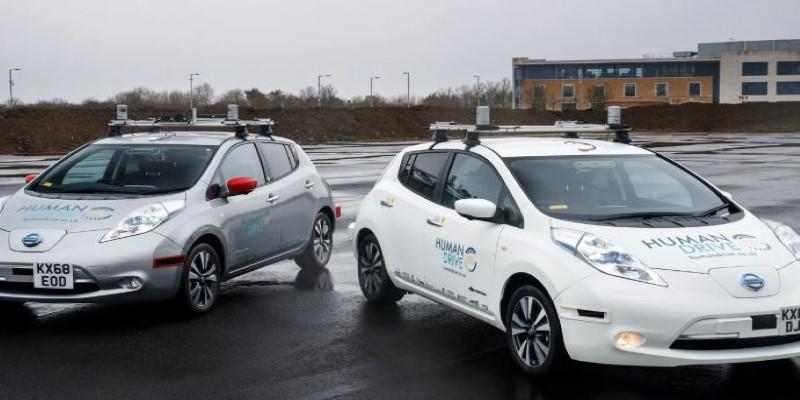
For Nissan, the move helps close the gap with competitors that already offer advanced autonomous features. Over the past few years, Nissan’s progress in this area has lagged slightly, so the partnership reflects an urgency to catch up and even stand out. The British startup benefits by seeing its technology tested and refined in a global context, proving that its ideas can work at scale.
This partnership may encourage other automakers to rethink their approach to innovation, demonstrating that smaller, specialized partners can bring solutions that large organizations might overlook. It's a sign that the industry is becoming more open to various kinds of collaborations, especially when the goal is to deliver better and safer vehicles to customers more quickly.
The Road Ahead for Nissan’s Self-Driving Cars
Bringing this technology into Nissan’s cars will take time. Field trials are already underway, with the first test vehicles expected to appear in selected regions within the next couple of years. The immediate focus is on making sure the system meets safety benchmarks and works reliably in varied environments. Nissan plans to introduce the technology gradually, starting with enhanced driver-assistance features before moving toward full self-driving capability in later models.
Legal approvals in different countries remain another key challenge. Autonomous technology is subject to different rules depending on the market, so Nissan and its partner are tailoring the rollout accordingly. Early features will likely include improved lane-keeping, smarter cruise control, and automated parking, which can already make a noticeable difference for drivers of today’s models.
Nissan is also investing in making the system feel approachable and easy to use. This includes clear visual and audio cues for the driver, straightforward controls, and regular software updates that improve performance over time. Building trust will be just as important as the technology itself, and Nissan appears committed to making sure customers feel safe and informed as they begin to rely on more automated features.
Conclusion
Nissan’s partnership with a British startup marks a bold step in the evolution of its self-driving ambitions. Rather than sticking to conventional approaches, Nissan has chosen to work with a smaller, more flexible team that brings fresh AI expertise to the table. The result promises smarter, more responsive cars that can adapt to the unpredictability of real roads while keeping passengers safe. For Nissan, this is a chance to regain its edge in a fast-moving industry. For the British company, it’s a way to showcase its technology to the world. Together, they may help shape the future of how cars think and drive.